

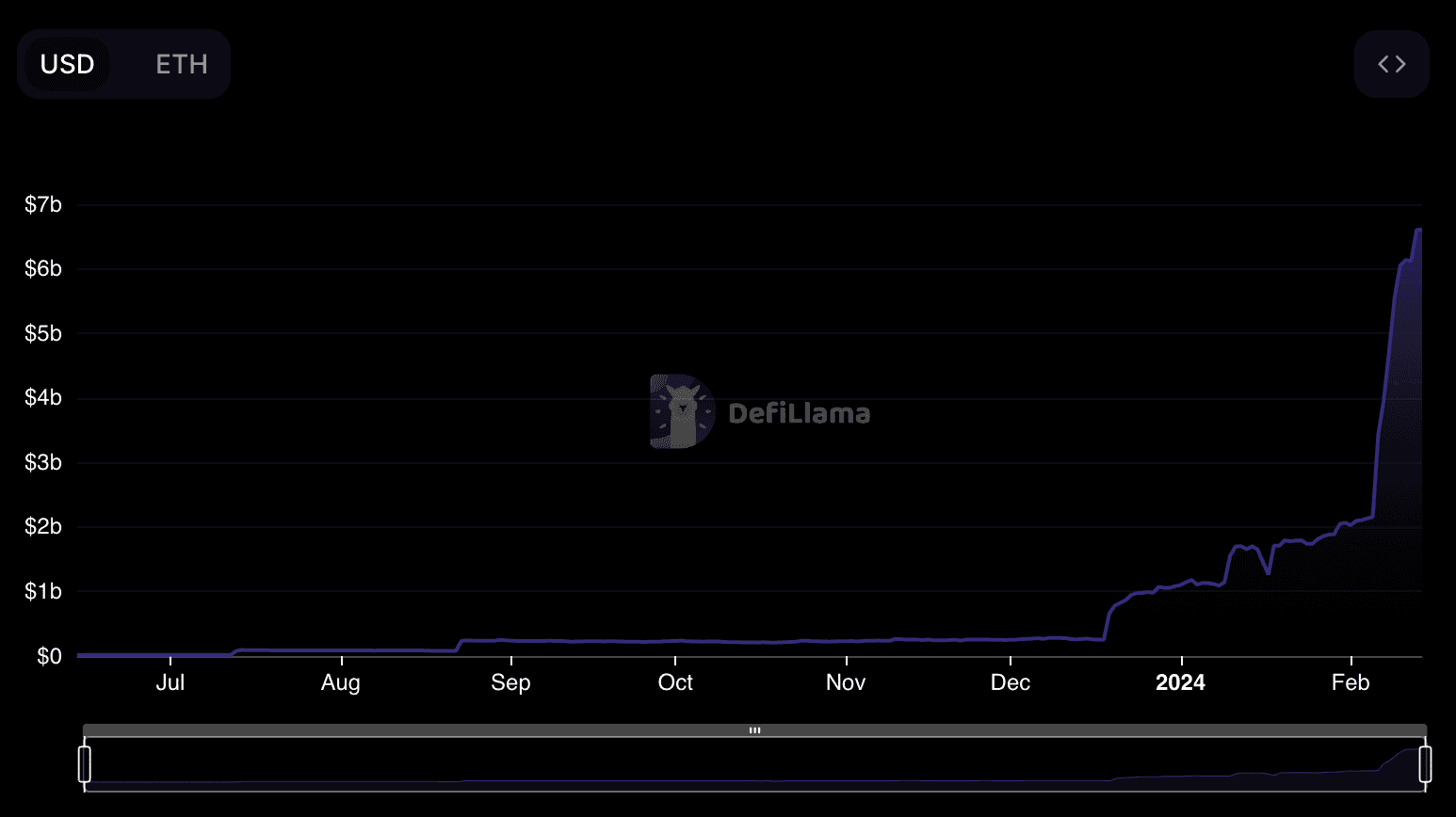
In the pulsating heart of Ethereum's restaking ecosystem, where innovation meets macroeconomic forces, EigenLayer stands as a beacon for those seeking to amplify yields through strategic asset deployment. With Ethereum trading at $2,278.82, down 1.98% over the past 24 hours from a high of $2,328.65, restakers face a landscape ripe for dynamic AVS rotation. EigenLayer's Total Value Locked has surged past $25 billion, underscoring its dominance, yet unlocking true potential demands more than passive holding. Enter LRT rebalancing vaults, intelligent mechanisms that programmatically shift Liquid Restaking Token positions across high-performing Actively Validated Services, ensuring optimal capture of AVS points and layered rewards.
EigenLayer's Incentive Structures: From Emissions to Fee-Driven Sustainability
Picture a restaking paradigm where rewards evolve in tandem with protocol maturity. EigenLayer's Programmatic Incentives v1, launched in August 2024, marked a pivotal shift by distributing 66.9 million EIGEN tokens over the first year. Allocating 3% to ETH and LST stakers plus operators, and 1% to EIGEN holders, it rewarded active delegation to AVS-registered operators. This structure propelled deployment rates, with top LRT providers like Renzo and Kelp achieving over 90% active stake by October 2024, far outpacing laggards and diluting lesser protocols' yields.
Yet, visionary foresight reveals limitations in emission-based models. Fast-forward to January 2026: EigenLayer's proposal to pivot toward fee-based rewards captures AVS-generated fees for EIGEN buybacks, tethering incentives to genuine security provision. This aligns restaker economics with productive stake, mitigating dilution as TVL balloons. In my 16 years dissecting macro trends, I've seen paradigms crumble under unsustainable subsidies; EigenLayer's trajectory promises resilience, rewarding those who anticipate this fee accrual revolution.




Strategic LRT Deployments: Bridging LSTs to Multi-AVS Mastery
Liquid Restaking Tokens represent the alchemy of liquidity and yield amplification, transforming LSTs into versatile instruments for AVS exposure. Providers delegate to operators spanning multiple services, harvesting points from data availability layers to oracle networks. Current metrics paint a compelling picture: EIGEN rewards atop LST yields clock in at 1.2%, stacking atop Ethereum's 3.1% staking yield, even as Aave borrow rates hover at 2.5%. For the astute restaker, this arbitrage window beckons, but only with precise operator selection.
Consider the decentralization imperative. AVS projects now cap single deposits and LRT allocations at 33%, fostering broader participation and curbing whale dominance. EigenLayer's dual participation paths - LST deposits or native EigenPods - offer flexibility, yet LRTs shine for their composability in DeFi. Amid slashing risks, where protocol-handled penalties lack redistribution, prudent vaults incorporate reliability scoring, prioritizing operators with proven uptime across AVSs.
Dynamic Rebalancing Vaults: The Engine of Restaking Rewards Maximization
Static allocations falter in EigenLayer's fluid ecosystem; dynamic LRT rebalancing vaults thrive by automating optimization. These vaults monitor AVS performance, operator metrics, and incentive epochs, fluidly rotating positions to frontrun yield decay. Imagine algorithms that detect underperforming AVSs - perhaps those lagging in points distribution - and pivot capital toward emerging leaders, all without user intervention.
In practice, this manifests as weekly rebalances keyed to EigenLayer's incentive cadences, blending quantitative signals like deployment ratios with qualitative macro overlays, such as Ethereum's price resilience at $2,278.82 amid volatility. Early adopters report 20-30% uplift in AVS points versus naive holding, a testament to algorithmic edge in a $25B TVL arena. As restaking permeates 2025's DeFi boom, these vaults embody the balanced strategies I advocate: capturing layered yields while navigating risks like TVL-security mismatches.
Ethereum (ETH) Price Prediction 2027-2032
Forecasts in the Context of EigenLayer AVS Growth, Fee Incentives, and Dynamic LRT Rebalancing
| Year | Minimum Price | Average Price | Maximum Price | YoY % Change (Avg) |
|---|---|---|---|---|
| 2027 | $2,800 | $4,500 | $7,200 | +40.6% |
| 2028 | $3,500 | $6,000 | $10,500 | +33.3% |
| 2029 | $4,000 | $8,000 | $14,000 | +33.3% |
| 2030 | $5,000 | $10,500 | $18,000 | +31.3% |
| 2031 | $6,000 | $13,000 | $22,000 | +23.8% |
| 2032 | $7,500 | $16,500 | $28,000 | +26.9% |
Price Prediction Summary
Ethereum prices are forecasted to grow robustly from 2027 to 2032, driven by EigenLayer's restaking ecosystem expansion, AVS fee-based incentives, and LRT optimization strategies. Average prices are expected to rise from $4,500 to $16,500, reflecting a ~27% CAGR amid bullish adoption trends and market cycles, with min/max capturing bearish corrections and euphoric peaks.
Key Factors Affecting Ethereum Price
- EigenLayer AVS proliferation and $25B+ TVL growth boosting ETH demand
- Transition to sustainable fee-based EIGEN rewards aligning incentives with security
- Dynamic LRT rebalancing vaults enhancing yields and AVS points maximization
- Ethereum staking yields (3.1%) plus restaking premiums (e.g., 1.2% EIGEN on LST)
- Network upgrades improving scalability and L2 integrations
- Regulatory clarity supporting DeFi restaking
- Bullish market cycles post-2026 with institutional inflows
- Risks from slashing, over-deployment, and competition (e.g., Symbiotic) factored into mins
Disclaimer: Cryptocurrency price predictions are speculative and based on current market analysis. Actual prices may vary significantly due to market volatility, regulatory changes, and other factors. Always do your own research before making investment decisions.
AVSVaults. com exemplifies this pinnacle of automation, deploying dynamic AVS rotation to fluidly navigate the restaking terrain. By integrating real-time data on operator performance and AVS incentives, these vaults ensure your capital shadows the most lucrative opportunities, from data availability sampling to oracle validations. With Ethereum holding steady at $2,278.82, such precision becomes indispensable amid 24-hour swings that test even the most resilient portfolios.
Master AVS Point Maximization: 6 Steps to LST Deposits in Dynamic Rebalancing Vaults
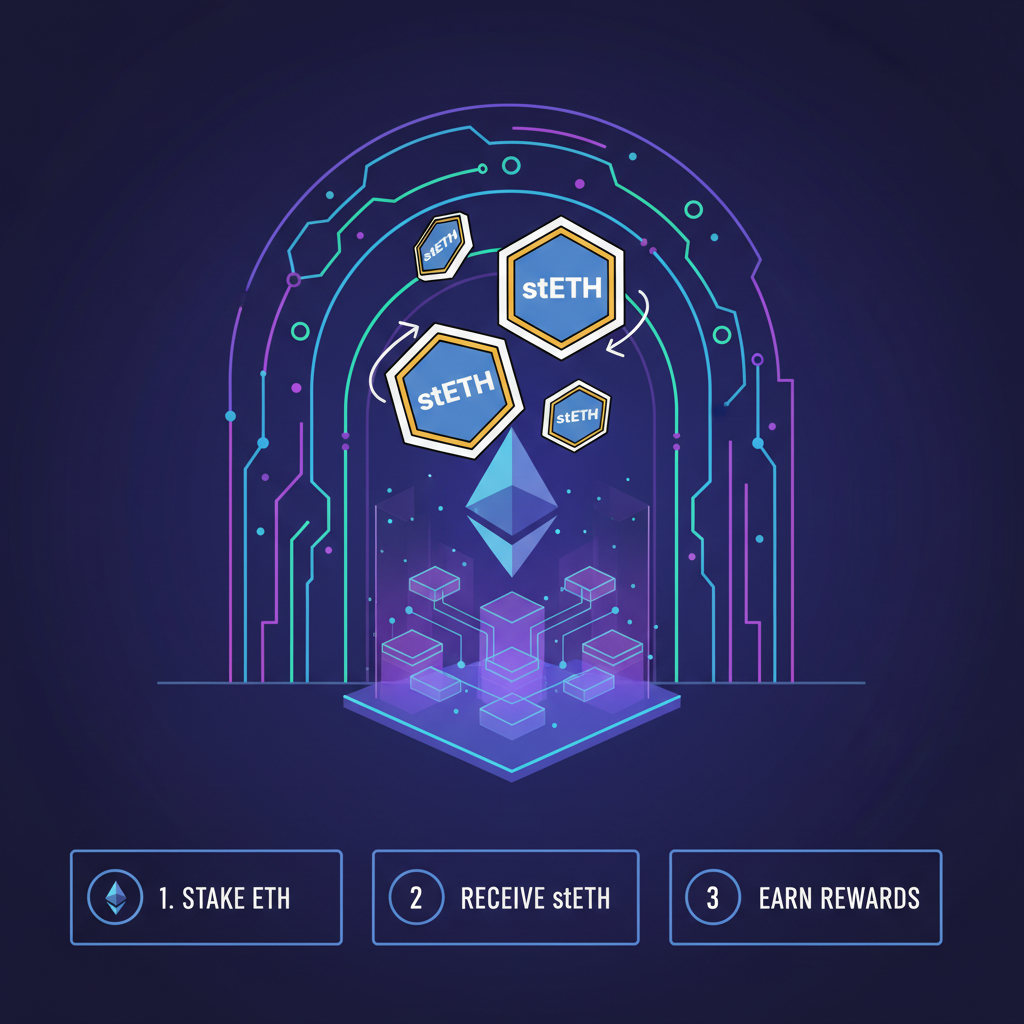

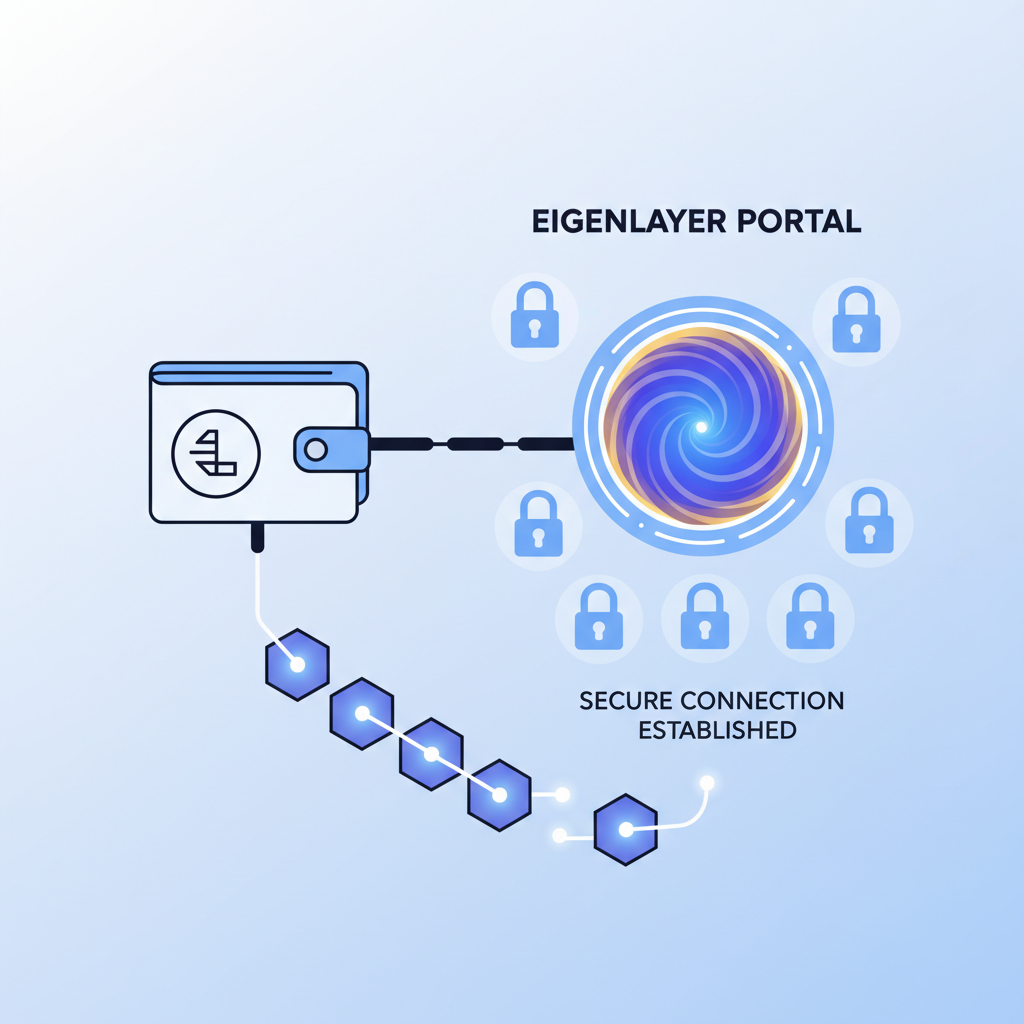
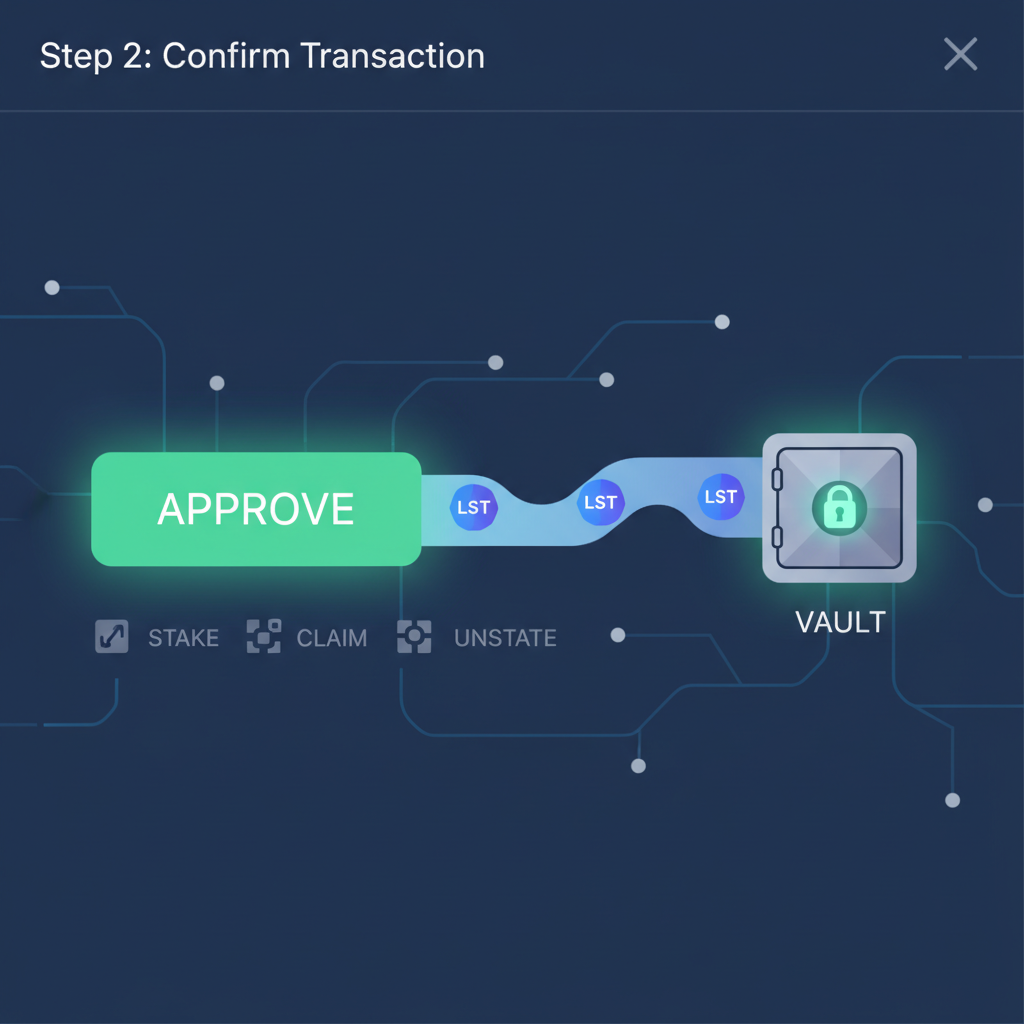
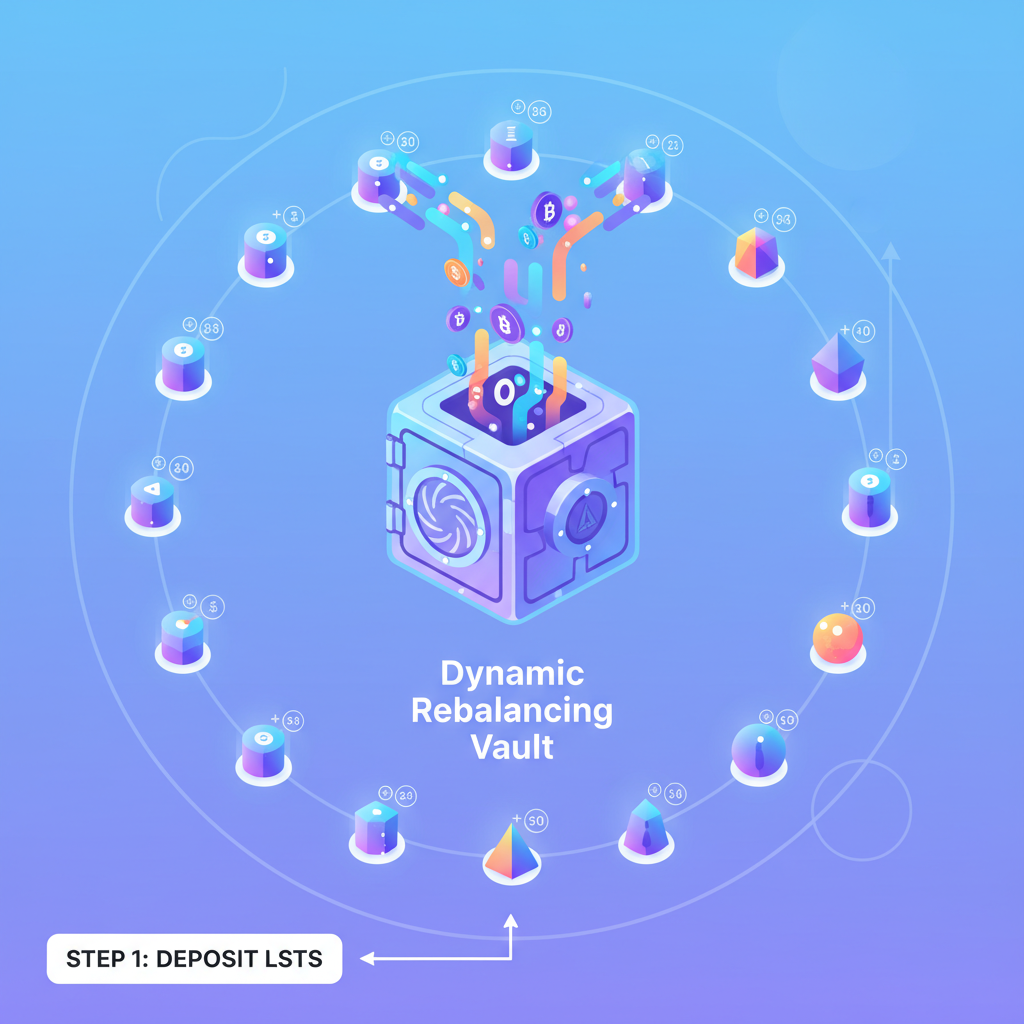
AVS Landscape: Prioritizing High-Yield Opportunities
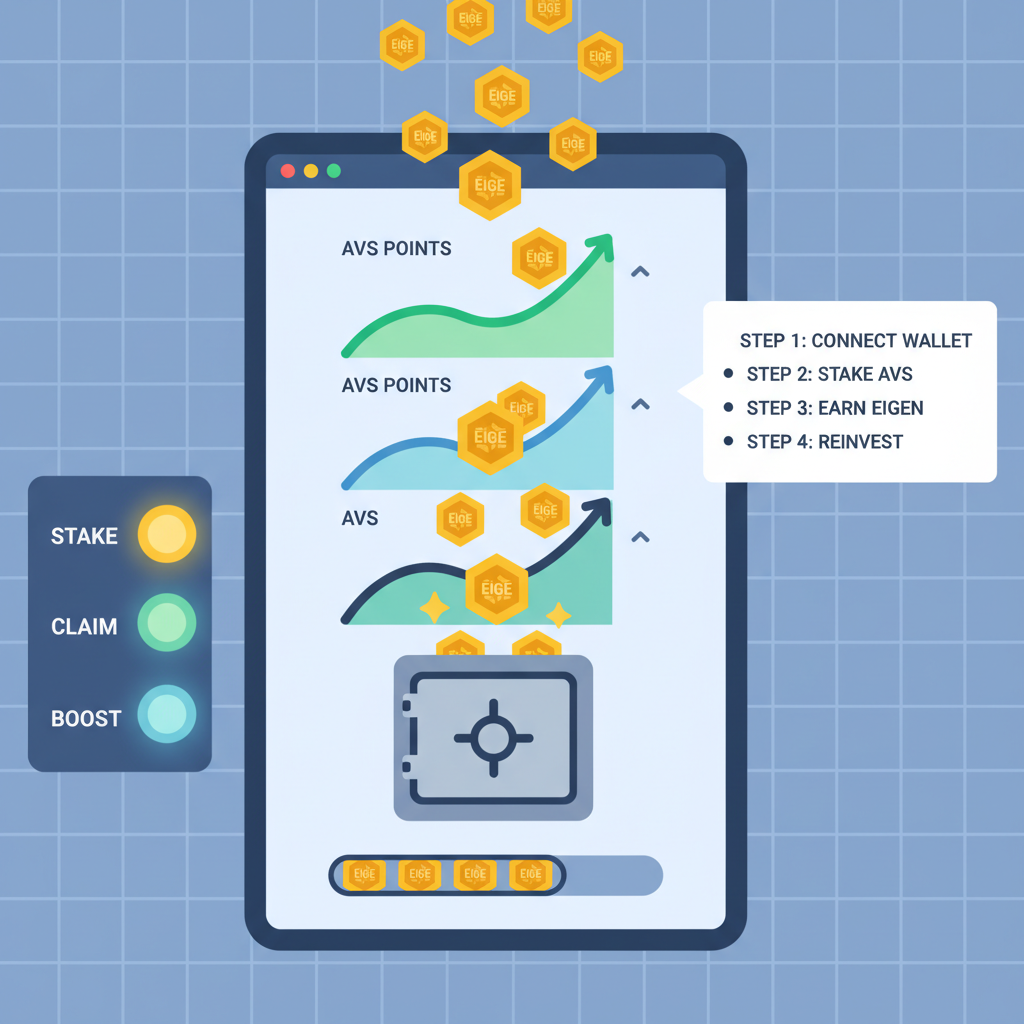
The EigenLayer AVS ecosystem burgeons with promise, yet discerning restakers target those eight standout projects reshaping crypto security. These initiatives, from data availability layers to L2 integrations, demand diversified exposure capped at 33% per LRT to enforce decentralization. Dynamic vaults excel here, algorithmically weighting allocations toward AVSs exhibiting robust points multipliers and fee accrual potential, outmaneuvering static strategies in a $25 billion TVL colossus.
Comparison of Top LRT Providers (as of 2026)
| Provider | Deployment Rate | AVS Coverage (# AVSs) | EIGEN Reward APR |
|---|---|---|---|
| Renzo | 96% | 32 | 1.4% |
| Kelp | 94% | 35 | 1.5% |
| ether.fi | 88% | 28 | 1.3% |
| Puffer | 82% | 25 | 1.2% |
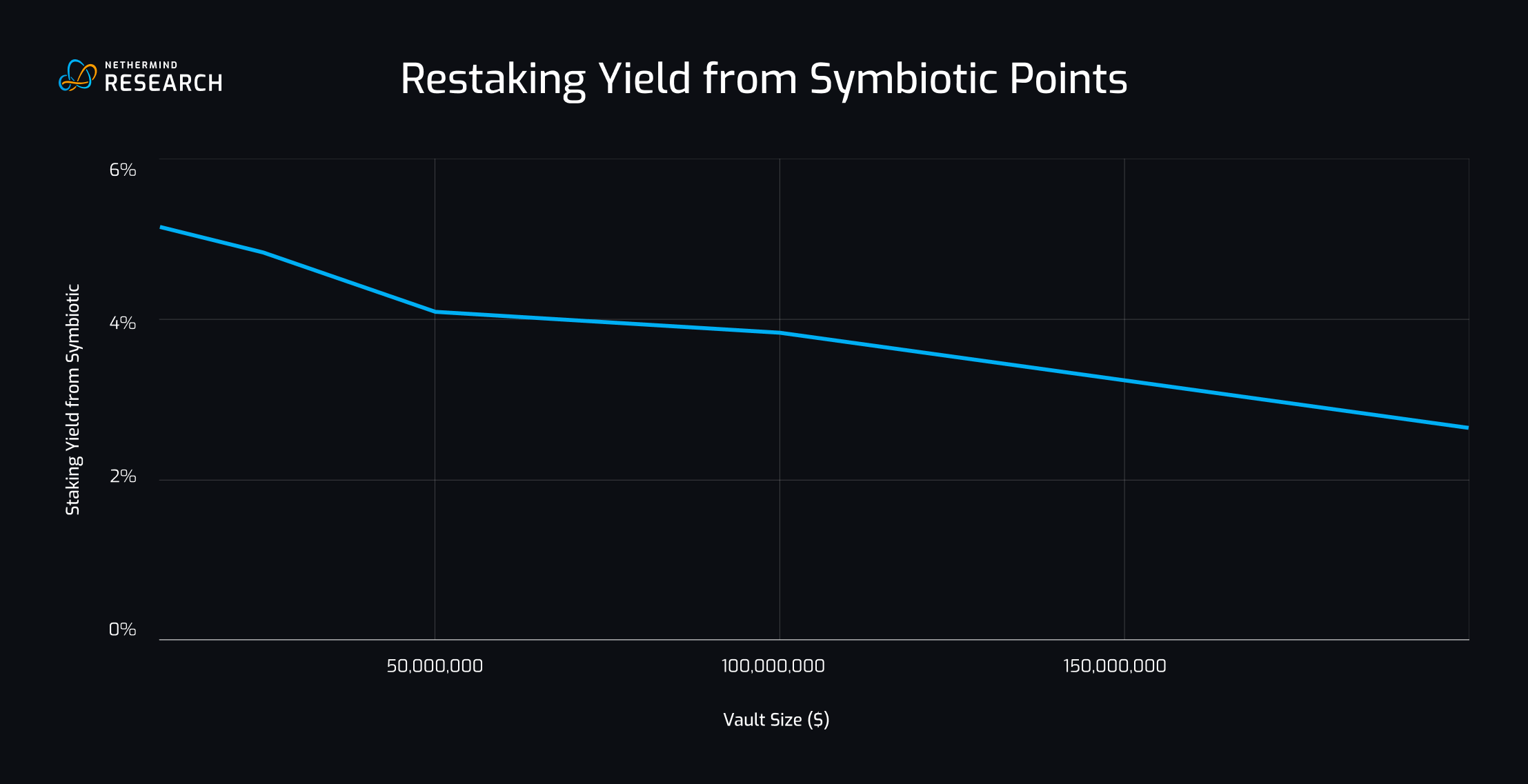
Macro currents amplify this edge. As restaking eclipses traditional staking yields of 3.1%, layering 1.2% EIGEN atop LSTs crafts compelling economics, even against Aave's 2.5% borrow friction. Yet, Symbiotic's actor-centric model poses a philosophical foil to EigenLayer's pod-based native restaking, underscoring the need for vaults that adapt across paradigms.
5 Key Advantages of Dynamic LRT Vaults
- Auto-Optimization: Dynamically reallocates Liquid Restaking Tokens (LRTs) like Renzo and Kelp to top-performing AVSs and reliable operators, continuously capturing peak rewards from EigenLayer's Programmatic Incentives v1.
- Risk Diversification: Spreads exposure across multiple LRT providers and AVSs, mitigating slashing risks and operator failures as highlighted in EigenLayer Forum reports on LRT lending health.
- Yield Uplift: Boosts overall returns by optimizing deployments—providers like Renzo achieve over 90% active deployment—layering EIGEN rewards atop LST yields for superior AVS points accrual.
- Hands-Off Operation: Eliminates manual rebalancing, allowing passive participation in EigenLayer's evolving ecosystem while vaults handle delegation to multi-AVS operators seamlessly.

- Macro Adaptability: Swiftly adjusts to incentive shifts, such as the 2026 transition to fee-based rewards via AVS fees and EIGEN buybacks, ensuring alignment with EigenLayer's $25B TVL growth.
Risk Mitigation: Safeguarding Amid Slashing Shadows
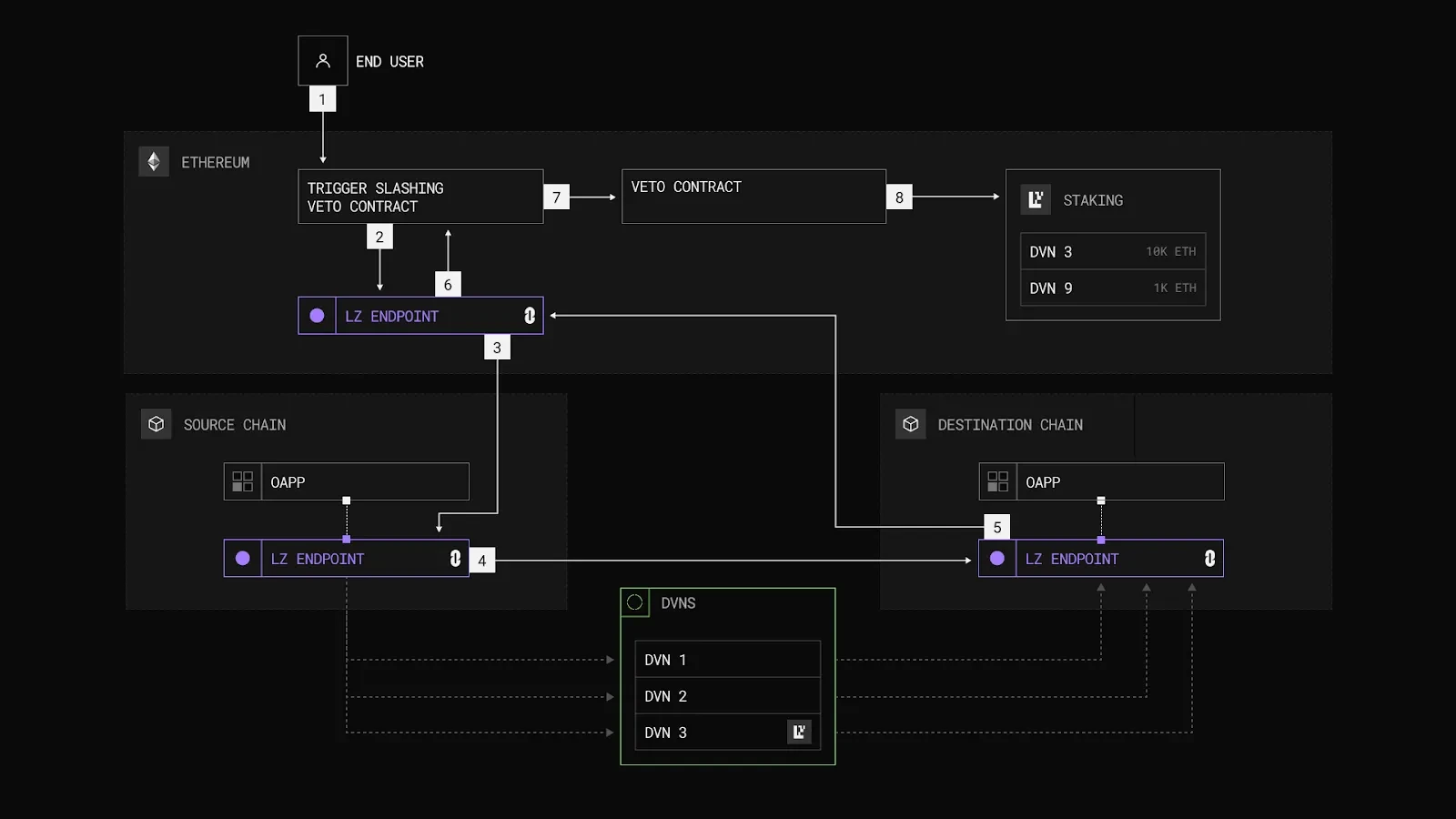
No yield odyssey escapes peril. EigenLayer's slashing protocols, while protocol-internal, withhold redistribution, amplifying operator diligence imperatives. Overloaded TVL risks diluting security per AVS, a macro imbalance my analyses have long flagged in scaling ecosystems. Dynamic vaults counter with slashing simulations, uptime heuristics, and phased withdrawals, preserving capital integrity as incentives mature toward fee-driven sustainability.
Envision 2026's restaking renaissance: LRT lending health reports underscore arbitrage viability, while vaults preempt slashing vectors through probabilistic modeling. This layered defense, fused with Ethereum's price fortitude at $2,278.82, positions participants to harvest the DeFi boom's layered yields without succumbing to volatility's gale.
Through AVSVaults. com's orchestration, restakers transcend speculation, embodying a symphony of algorithmic prescience and macroeconomic acuity. As EigenLayer cements its throne in crypto's security vanguard, those harnessing LRT rebalancing vaults will not merely participate - they will define the epoch of restaking rewards maximization, their portfolios a testament to foresight in flux.




No comments yet. Be the first to share your thoughts!