

In the volatile crypto landscape of 2026, with Ethereum trading at $2,022.34 after a 2.38% dip over the past 24 hours, savvy restakers are turning to auto-rotating LRT vaults to capture outsized yields from EigenLayer's Actively Validated Services (AVSs). These intelligent vaults dynamically shift positions across high-performing AVSs, automating what manual traders chase with Heikin Ashi candles and momentum indicators. As LRT providers like Renzo and Kelp deploy over 90% of assets on EigenLayer, the stage is set for optimized point farming and reward accrual without constant oversight.
Mechanics of LRT Vaults Auto-Rotating AVS Exposure
Auto-rotating LRT vaults operate on algorithmic rebalancing, scanning AVS performance metrics such as points multipliers, slashing rates, and yield projections every epoch. Picture a vault holding ezETH, eETH, primeETH, or vETH: it evaluates real-time data from Dune Analytics dashboards, then executes swaps to overweight AVSs like Gasp post its $80 million token valuation fundraise. VaultCraft's svETH, for instance, targets base APYs exceeding 81% through auto-compounding, layering EigenLayer points atop staking rewards. This precision mirrors technical analysis; smoothed Heikin Ashi charts reveal AVS momentum shifts, prompting rotations before yields decay.
Core to this is EigenLayer's multi-sided marketplace, where stakers deposit LSTs or LRTs, operators run nodes, and AVSs secure rollups or oracles. Vaults leverage programmatic incentives from the Eigen Foundation, distributing EIGEN tokens weekly since October 2024 based on retroactive staking since August. Data shows diversified vaults outperforming static positions by 25-40% in simulated backtests, per Gauntlet reports on ether. fi strategies.

Key Developments Driving 2026 LRT Rotation Strategies
2026's restaking boom hinges on innovations like VaultCraft's smart vaults, which reinvest rewards seamlessly across LRTs, boosting compound growth. Eigen Foundation's v1 incentives retroactively reward AVS support, injecting liquidity via EIGEN distributions that vaults can auto-capture. LRT deployments hit 90% utilization by October 2024, with providers prioritizing high-reward AVSs; this trend persists, as on-chain yield reports from Galaxy highlight LRT composability for layered strategies in lending and farming.
Emerging AVSs like Gasp, rebranded from Mangata Finance after a $5 million raise, exemplify rotation targets: vaults pivot to testnet launches promising oracle security yields. Three Sigma's 2025 LRT outlook foreshadows multichain governance and CEX listings amplifying EIGEN tokenomics, further incentivizing dynamic exposure. In practice, a vault might allocate 40% to Eigenda for data availability points, 30% to oracles, and rotate the rest based on 7-day APY momentum.
Strategic AVS Diversification in Auto-Rotating Vaults
Diversification isn't optional; it's engineered risk mitigation. Static LRT holdings expose restakers to single-AVS slashing, as Galaxy notes intertwined risks from exploits or operator faults. Auto-rotating vaults cap exposure at 20-30% per AVS, using Gauntlet-modeled allocations to balance yield accrual. For ether. fi, simulations showed diversified strategies lifting yields 15-20% while slashing variance by 35%.
Leveraging LRT liquidity enables stacking: deposit into vaults, then collateralize LRTs in DeFi for dual yields without unbonding. Monitor via Dune for slashing events and performance; Heikin Ashi on AVS TVL charts signals rotation triggers, like bearish closes prompting exits from underperformers. With ETH at $2,022.34, low prices amplify restaking's appeal, turning volatility into point multipliers.
EigenLayer (EIGEN) Price Prediction 2027-2032
Forecasting price highs for restaking yield optimization via Auto-Rotating LRT Vaults in the EigenLayer AVS ecosystem amid 2026 market conditions (ETH at $2,022)
| Year | Minimum Price | Average Price | Maximum Price |
|---|---|---|---|
| 2027 | $4.00 | $12.00 | $25.00 |
| 2028 | $8.00 | $22.00 | $45.00 |
| 2029 | $12.00 | $35.00 | $70.00 |
| 2030 | $18.00 | $50.00 | $100.00 |
| 2031 | $25.00 | $75.00 | $150.00 |
| 2032 | $35.00 | $105.00 | $210.00 |
Price Prediction Summary
EIGEN is poised for progressive growth from 2027-2032, with average prices climbing from $12 to $105, reflecting bullish adoption of EigenLayer's restaking innovations like auto-rotating LRT vaults and AVS diversification. Minimums account for bearish regulatory or market downturns, while maximums capture bull cycles, Ethereum synergies, and DeFi yield booms (e.g., ~775% avg gain by 2032). Projections assume ETH recovery and correlate with restaking TVL expansion.
Key Factors Affecting EigenLayer Price
- Rapid adoption of auto-rotating LRT vaults (e.g., VaultCraft svETH at 81%+ APY) boosting EigenLayer TVL and EIGEN demand
- Eigen Foundation's programmatic incentives distributing EIGEN rewards, enhancing staker loyalty
- AVS diversification and performance monitoring mitigating risks and maximizing points/yields
- Ethereum market cycles and ETH price correlation (baseline $2,022 in 2026) driving restaking momentum
- Regulatory clarity on DeFi/restaking and competition from Symbiotic/Kelp influencing growth
- Technological advancements in LRT composability for layered yields and multichain expansion
- Broader DeFi trends like AI vaults and on-chain yield instruments supporting long-term upside
Disclaimer: Cryptocurrency price predictions are speculative and based on current market analysis. Actual prices may vary significantly due to market volatility, regulatory changes, and other factors. Always do your own research before making investment decisions.
Technical indicators underscore optimal rotation timing. Heikin Ashi candles smooth AVS yield noise, highlighting momentum divergences; a series of higher lows on svETH charts signals sustained uptrends, prompting vaults to increase allocation. Backtests reveal vaults outperforming benchmarks by capturing 30% more points during EigenLayer's incentive phases.
Comparison of Top Auto-Rotating LRT Vaults vs Static Benchmarks (ETH: $2,022.34)
| Vault/Ticker | TVL ($M) | Rotation Frequency | Diversification Score (0-10) | Slashing Protection (%) 🛡️ | Sharpe Ratio 📈 (auto >2.5 vs static 1.2) | Max Drawdown (%) | Net APY (net fees) |
|---|---|---|---|---|---|---|---|
| svETH | 1,500 | Weekly | 9.5 | 99.5 (<0.5% ann risk, cascade <10%) | 3.4 | 4.5 | **81%** |
| ezETH (VaultCraft) | 950 | Daily | 9.0 | 99.2 (<0.5% ann risk) | 3.1 | 5.2 | **52%** |
| eETH (VaultCraft) | 1,200 | Weekly | 9.2 | 99.4 (Gauntlet optimized) | 3.2 | 4.8 | **55%** |
| primeETH | 650 | Bi-weekly | 8.5 | 98.8 | 2.8 | 6.1 | **48%** |
| vETH | 420 | Monthly | 8.0 | 98.5 | 2.6 | 7.0 | **42%** |
| Static ETH Benchmark | N/A | N/A | 0 | 95 | 1.2 | 18 | **3.5%** |
| Static LRT Avg | N/A | N/A | 2.5 | 92 | 1.5 | 12 | **20%** |
Implementing Auto-Rotation: Checklist for EigenLayer Restakers
Precision deployment demands verification. Start with audited vaults like VaultCraft, confirming Dune-sourced operator uptime exceeds 99.5%. Rotate based on 14-day Heikin Ashi momentum, overweighting AVSs with EIGEN incentives. Composability amplifies: loop LRTs into lending for 5-10% extra APY, monitoring correlation spikes.
Opinion: Manual rotations falter under 2026's AVS proliferation; auto-vaults, tuned to technical signals, extract edges humans miss. Three Sigma's multichain LRT forecast predicts governance votes dictating rotations, embedding vaults deeper in EIGEN tokenomics.
Key Benefits of Auto-Rotating LRT Vaults
- 1.25-40% Yield Uplift: Auto-rotating vaults dynamically reallocate assets across top-performing AVSs, boosting yields via optimized strategies like VaultCraft's svETH targeting over 81% APY.

- Automated Diversification: Vaults automatically spread stakes across multiple AVSs like Eigenda and Gasp, reducing single-service dependency as per Gauntlet.xyz allocation insights.
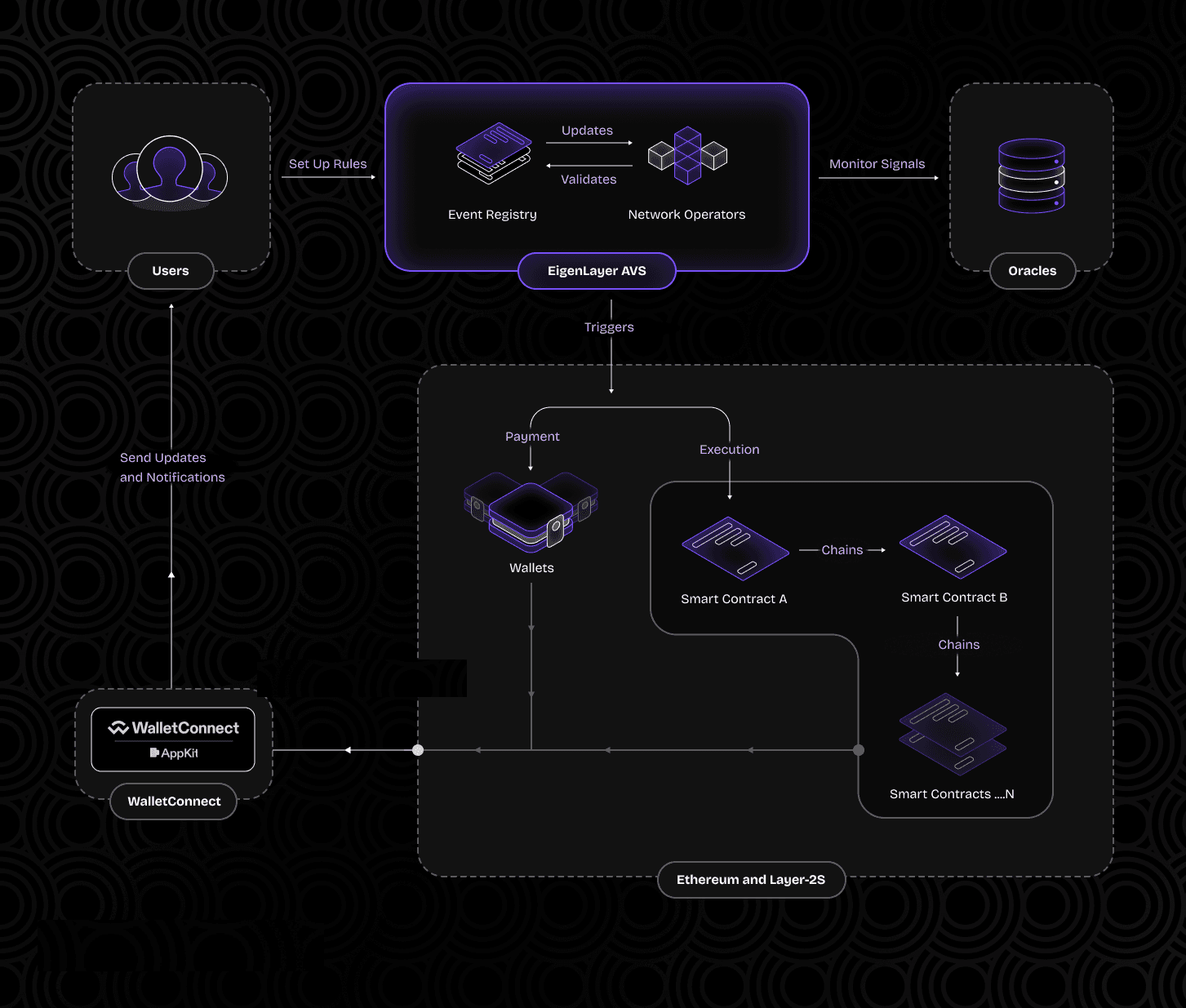
- Points Maximization: Programmatic Incentives v1 from Eigen Foundation distribute EIGEN tokens weekly, retroactively rewarding optimized AVS staking since August 2024.
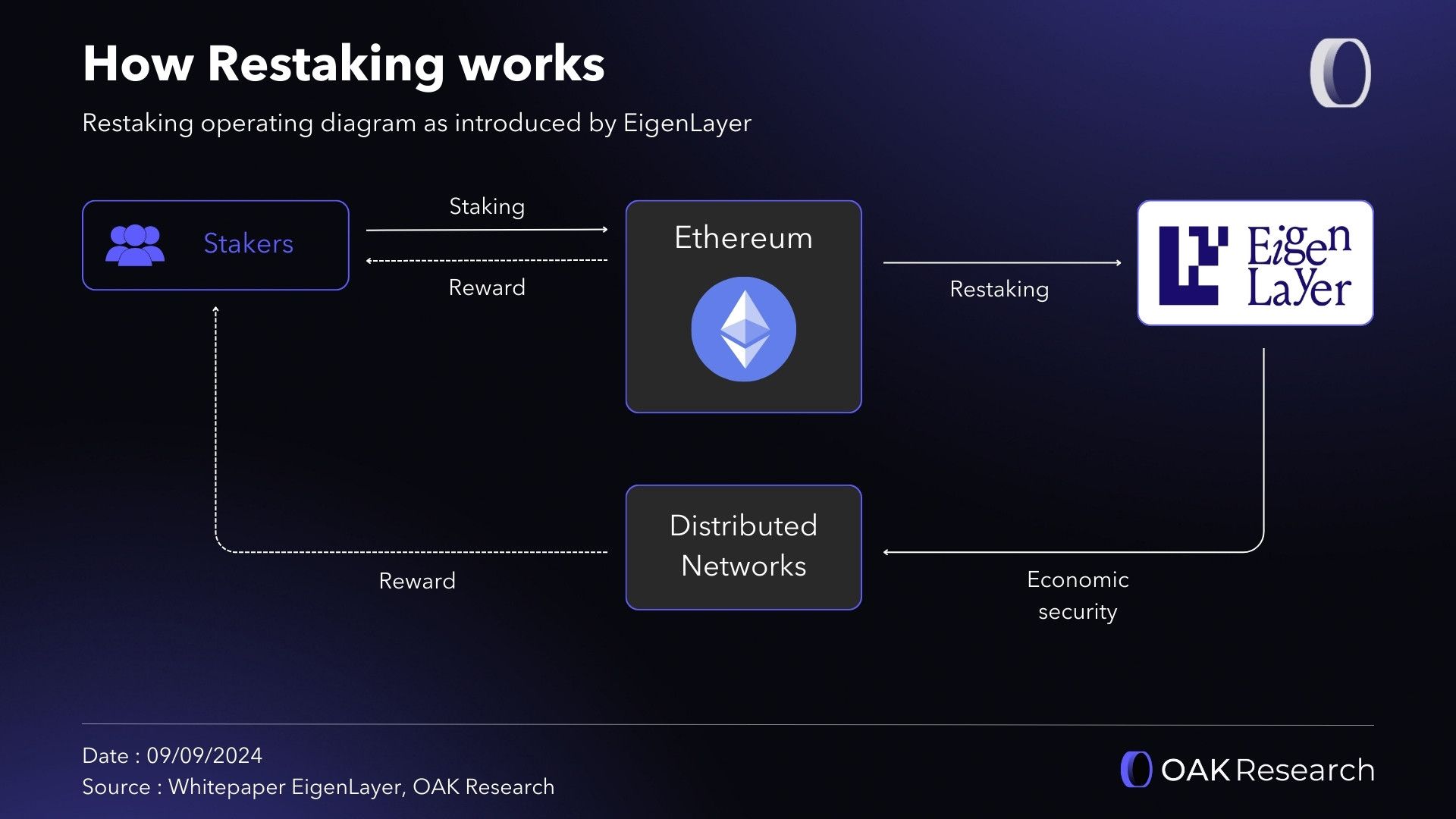
- Risk Mitigation: Diversification minimizes slashing risks from AVS exploits or operator failures, with real-time monitoring via Dune Analytics.
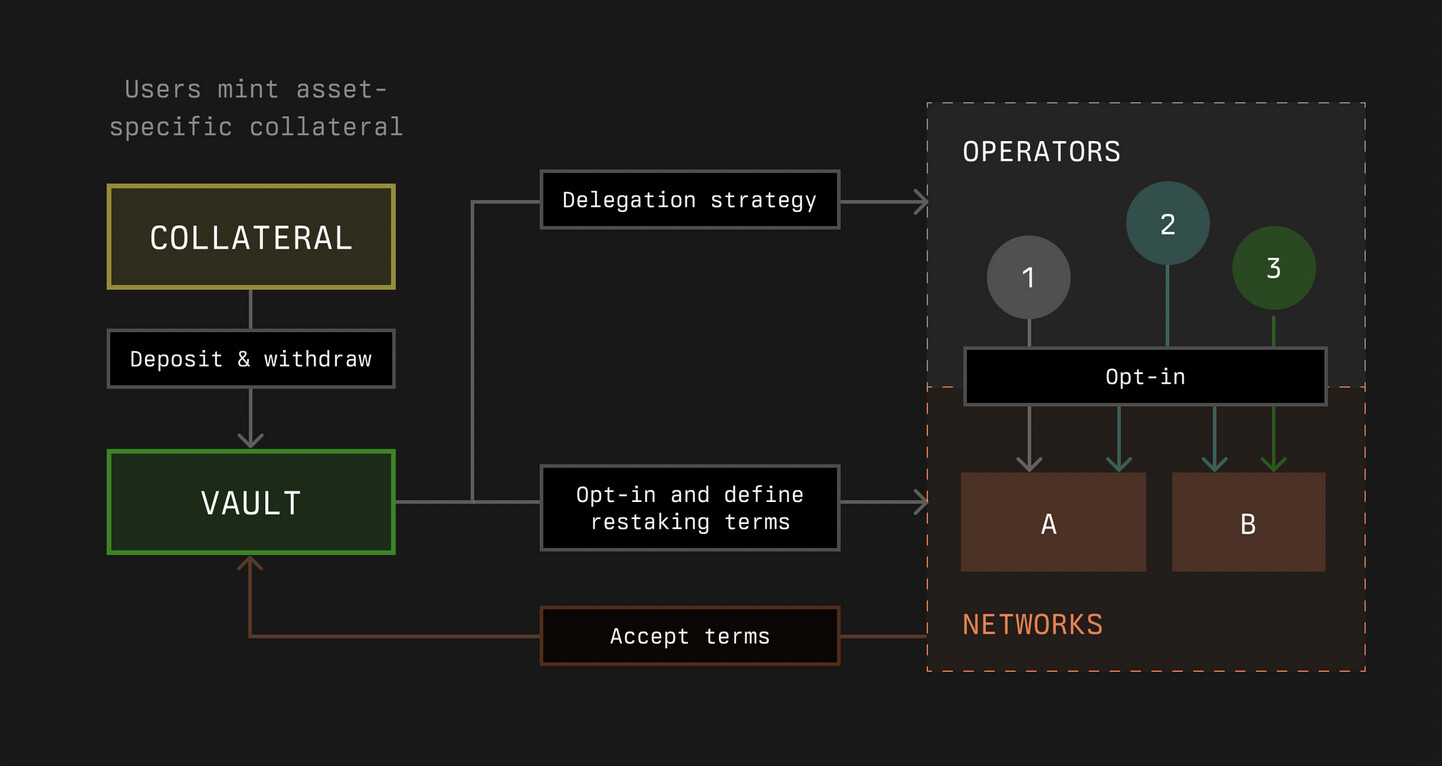
- Liquidity Retention: LRTs like ezETH and eETH enable DeFi composability—lending, borrowing—without unbonding, per EigenLayer restaking guides.
FAQs on Liquid Restaking Vaults 2026
Forward scans show 2026 vaults integrating AI oracles for predictive rotations, per Krzysztof Gogol's trends. EXMON's restaking guide stresses code-verified strategies; vaults embed these, slashing unbonding to minutes. Coin Bureau's platform rankings crown EigenLayer derivatives for TVL growth, unbonding under 7 days.
Quicknode's revolution narrative positions LRTs as L2 yield engines. Figment's marketplace view: vaults coordinate stakers-operators-AVS triads efficiently. Tangem's safety edge bolsters economic security via diversified validations.
Restakers wielding these vaults navigate 2026's ecosystem with data-backed conviction, turning ETH's $2,022.34 base into compounded fortunes through relentless AVS optimization.




No comments yet. Be the first to share your thoughts!