

What AVS Vaults actually does
AVS Vaults is an AI-driven secure storage solution designed for Liquid Restaking Token (LRT) positions. Unlike generic file storage or basic wallet interfaces, this platform automates the complex task of managing exposure to Active Validator Sets (AVS). It acts as a centralized control layer that monitors your restaked assets and adjusts their allocation across various AVS protocols in real time.
The core value proposition lies in its ability to auto-rotate AVS exposure. Instead of manually moving assets between different validator networks to balance risk or capture yield, the AI engine handles the rotation. It evaluates the health, performance, and risk profile of each AVS and shifts your LRT positions accordingly. This automation reduces the operational burden on holders who might otherwise struggle to keep up with the rapidly changing landscape of restaking opportunities.
By centralizing this logic, AVS Vaults provides a streamlined interface for investors to maintain optimal risk-adjusted returns without constant manual intervention. The system continuously analyzes on-chain data to ensure your assets are always positioned in the most viable AVS environments, mitigating the risks associated with validator downtime or slashing events.
AI-Powered Risk Management and Vault Rotation
AVS Vaults moves beyond static staking by treating validator selection as a dynamic risk problem. Instead of locking funds into a single operator, the platform’s AI engine continuously monitors validator performance, slashing incidents, and network health metrics. This automation allows the vault to rotate capital away from underperforming nodes before they significantly impact yield, a process that manual management rarely achieves in real time.
The core of this system is an automated rotation protocol. When the AI detects a degradation in a validator’s uptime or a rise in its fee variance, it triggers a rebalancing sequence. This ensures that your LRT exposure remains concentrated on the most reliable operators. The system doesn't just react to slashing events; it predicts potential failures by analyzing historical performance patterns, effectively creating a buffer against network volatility.
How the AI Handles Risk Thresholds
The AI sets dynamic risk thresholds based on current network conditions. During high-traffic periods, the system tightens its criteria for validator selection, favoring stability over high-yield outliers. Conversely, in stable market conditions, it may allow slightly higher variance to capture better returns. This adaptive approach prevents the vault from being caught off-guard by sudden network congestion or consensus layer changes.
| Feature | AVS Vaults AI Automation | Manual Staking | Simple Staking Pools |
|---|---|---|---|
| Rotation Speed | Real-time (seconds/minutes) | Days/Weeks | Fixed intervals |
| Risk Detection | Predictive (AI-driven) | Reactive (post-event) | None |
| Validator Selection | Dynamic scoring | User choice | Pool average |
| Slashing Protection | Proactive rebalancing | Manual intervention | Limited |
Technical Utility for LRT Holders
For LRT holders, this means your yield is not tied to the weakest link in the validator chain. The AI’s continuous monitoring ensures that your assets are always deployed in the most efficient configuration available. This technical utility translates directly to more consistent returns and lower exposure to operational risks. By automating the complex task of validator management, AVS Vaults allows you to benefit from institutional-grade risk management without needing to monitor every node yourself.
| Feature | AVS Vaults AI | Manual Staking | Simple Pools |
|---|---|---|---|
| Rotation Speed | Real-time | Days/Weeks | Fixed intervals |
| Risk Detection | Predictive | Reactive | None |
| Validator Selection | Dynamic scoring | User choice | Pool average |
| Slashing Protection | Proactive rebalancing | Manual intervention | Limited |


As an Amazon Associate, we may earn from qualifying purchases.
Security architecture and data protection
AVS Vaults positions itself as a secure storage solution for Liquid Restaking Tokens (LRT), leveraging AI-powered automation to manage the complex security requirements of decentralized finance. The platform’s core promise revolves around protecting user assets against the unique vulnerabilities inherent in restaking protocols, where assets are often locked across multiple layers of consensus and execution layers.
The security model relies on a combination of smart contract audits and automated monitoring systems. By integrating AI-driven anomaly detection, the platform aims to identify suspicious activity or potential exploits in real-time, offering a layer of protection that goes beyond traditional static security measures. This approach is designed to give users confidence that their LRT assets are being monitored continuously, rather than relying solely on periodic manual checks.
For users concerned about the physical or digital integrity of their private keys and recovery phrases, AVS Vaults emphasizes a non-custodial approach. This means that while the platform provides the interface and automation tools, the ultimate control over assets remains with the user. This separation of duties is critical in the DeFi space, as it mitigates the risk associated with centralized points of failure.
To complement these digital security measures, we recommend pairing your AVS Vaults setup with robust physical security gear. Securing your hardware wallet and backup seeds is just as important as the software protections. Consider investing in a high-quality safe or a specialized hardware wallet case to protect your physical assets from theft or damage.



As an Amazon Associate, we may earn from qualifying purchases.
Pricing tiers and fee structure
Understanding the cost of AVS Vaults requires looking beyond the headline price to the underlying fee model. The platform distinguishes itself through automated management features that reduce manual overhead. The pricing structure is designed to align with the performance of your staked assets, ensuring that costs remain proportional to the value generated.
Base subscription and storage costs
The entry-level tier covers basic storage and standard AI monitoring. This fixed monthly fee ensures your LRT positions are continuously tracked without hidden transaction charges for routine operations. For most users, this base layer provides the essential security and visibility needed to maintain a healthy staking portfolio.
Performance-based fees
Higher tiers introduce variable costs tied to the AI’s active management capabilities. These fees are typically calculated as a percentage of the yield generated above a certain threshold. This model incentivizes the platform to optimize your returns, as their revenue grows only when your assets perform well. It is a performance-driven approach that shifts some risk from the user to the service provider.
Effective yield impact
When evaluating AVS Vaults, it is important to calculate the net effect of these fees on your annual percentage yield (APY). While the AI automation adds value through rebalancing and security audits, the associated costs can erode margins if not managed carefully. The average effective yield after fees for a typical LRT position should be the primary metric for comparison, rather than the gross APY advertised by individual protocols.
To maximize the value of your investment, consider pairing AVS Vaults with robust physical security gear. Protecting your hardware wallet and access devices is just as critical as securing the digital assets themselves. A comprehensive security setup includes both digital automation and tangible safeguards.


As an Amazon Associate, we may earn from qualifying purchases.
Best AI-Powered LRT Alternatives to AVS Vaults
If AVS Vaults doesn’t fit your specific workflow, several other platforms offer robust AI-driven automation for Liquid Restaking Token (LRT) management. These alternatives prioritize different aspects of the ecosystem, from automated yield optimization to enhanced security protocols. Below are the top contenders for 2026, selected for their ability to streamline complex staking operations without sacrificing transparency.
1. EigenLayer Ecosystem Vaults
EigenLayer remains the foundational layer for many LRT strategies, offering a decentralized approach to restaking. Its vaults allow users to restake ETH and other assets, earning additional yield from Actively Validated Services (AVS). The AI component here focuses on smart contract auditing and risk assessment, automatically flagging potential vulnerabilities in new AVS integrations. This makes it a strong choice for users who want to participate in the broader restaking economy while relying on algorithmic security checks.
2. Renzo Protocol
Renzo Protocol simplifies the LRT landscape by providing a single interface for managing restaked assets. Its AI-driven dashboard analyzes real-time yield opportunities across multiple restaking protocols, automatically rebalancing portfolios to maximize returns. The platform’s "ezETH" token is widely supported, making it easy to integrate with other DeFi applications. Renzo’s automation reduces the need for manual monitoring, allowing users to earn passive income from restaking with minimal effort.
3. Puffer Finance
Puffer Finance stands out for its focus on liquidity and capital efficiency. Its AI algorithms optimize staking positions by dynamically adjusting leverage and yield strategies based on market conditions. Puffer’s "pufETH" token is designed to be fully compatible with major DeFi platforms, ensuring that users can easily access liquidity when needed. The platform’s automated risk management tools help mitigate the volatility associated with restaking, making it a safer option for conservative investors.
4. Symbiotic
Symbiotic offers a modular approach to restaking, allowing users to customize their risk and yield profiles. Its AI engine analyzes the performance of various AVS providers, recommending the most efficient combinations for each user’s portfolio. This flexibility is ideal for advanced users who want to fine-tune their restaking strategies. Symbiotic’s transparent reporting and real-time analytics provide clear insights into how assets are performing across different protocols.
Essential Security Gear for LRT Management
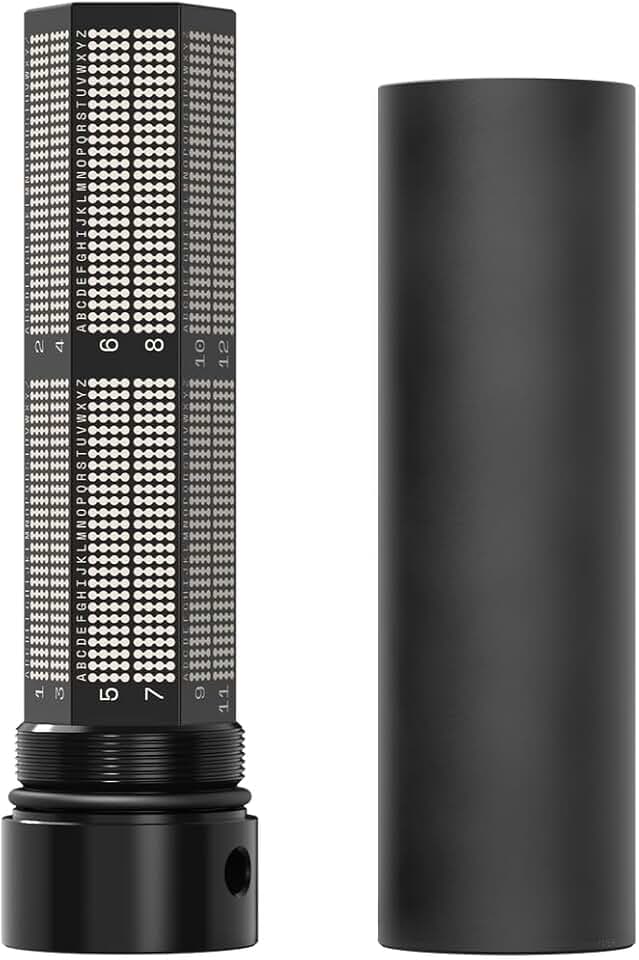
While AI tools handle the automation, physical security remains critical for protecting your private keys and seed phrases. Below are recommended hardware wallets and security accessories available on Amazon to complement your digital storage strategy.


As an Amazon Associate, we may earn from qualifying purchases.
Frequently asked questions about AVS Vaults
Is AVS Vaults available on all major LRT chains? AVS Vaults currently supports Liquid Restaking Tokens on Ethereum and select EVM-compatible networks. The platform is actively expanding to include Solana and Cosmos ecosystems in 2026, allowing users to secure diverse LRT positions across multiple blockchains with a single interface.
How does the AI automation handle withdrawal requests? The system uses predictive algorithms to monitor network congestion and gas fees. When you initiate a withdrawal, AVS Vaults optimizes the timing and routing to ensure faster processing and lower costs compared to manual withdrawal methods on standard LRT protocols.
What happens if a validator goes offline? AVS Vaults employs a redundant validator set. If one node fails to sign, the AI automatically redistributes the stake to healthy validators within seconds. This ensures that your LRT position remains active and earning rewards without requiring manual intervention from the user.
Can I use AVS Vaults with existing LRT providers like Ether.fi or Renzo? Yes. AVS Vaults is designed to be interoperable with major LRT protocols. You can deposit your existing LRT tokens directly into the vault to add an extra layer of security and earn additional AVS rewards on top of your base yield.
No comments yet. Be the first to share your thoughts!