Auto-Rotating LRT Vaults for EigenCloud AVS Exposure: Maximize EigenLayer Points and Yields in 2026

In the dynamic landscape of EigenLayer restaking, where Ethereum’s price hovers at $2,076.45 amid a 24-hour dip of -2.30%, auto-rotating LRT vaults stand out as a prudent tool for savvy restakers targeting EigenCloud AVS exposure. These vaults intelligently shift positions across Actively Validated Services, capturing optimal EigenLayer points and yields without the pitfalls of manual oversight. As we navigate 2026, with its fee-based incentives replacing passive rewards, this approach minimizes impermanent loss while amplifying returns in a maturing ecosystem.

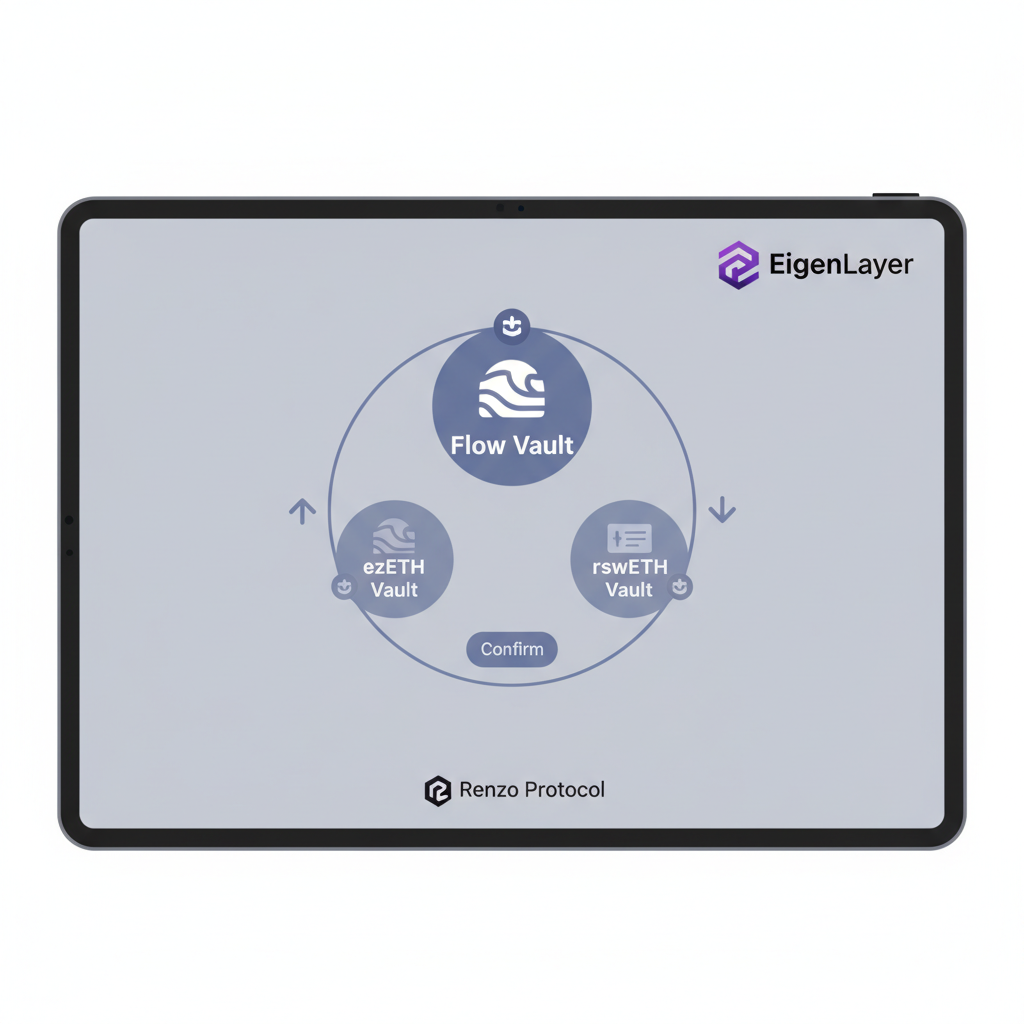
The restaking sector has evolved rapidly, propelled by innovations like Flow Vaults from Renzo Protocol. Launched in mid-2025, these vaults support cross-chain, multi-asset restaking on EigenCloud, accommodating any ERC-20 tokens including Layer 2 assets. Curator-led creation and network-issued bonds with fixed yields add layers of flexibility, enabling seamless LRT vaults EigenLayer integration. EigenLayer’s shift to productive stake incentives in early 2026 further refines this, channeling AVS fees into EIGEN token buybacks. This aligns rewards with genuine participation, fostering sustainability over speculative farming.
Navigating EigenCloud’s AVS Landscape with Precision
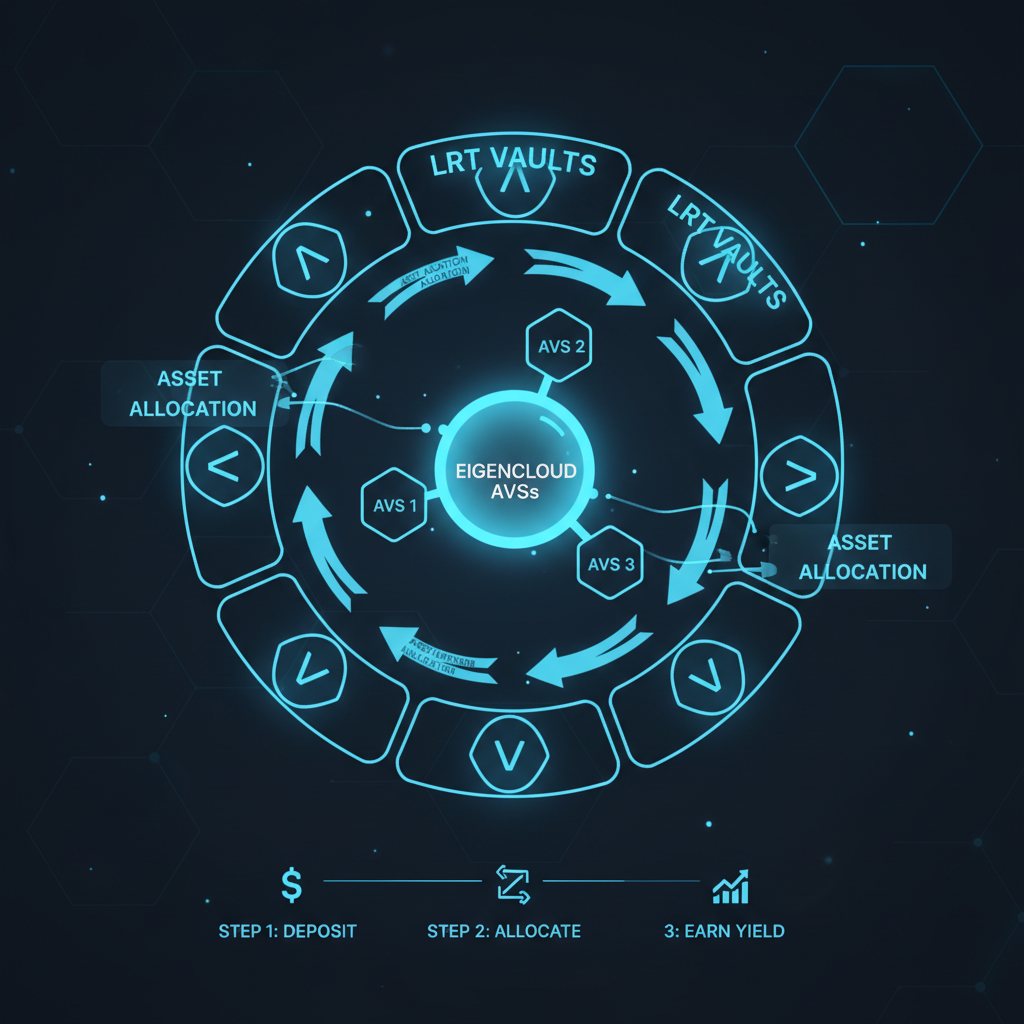
EigenCloud’s expansion demands strategic auto rotate AVS exposure. Strategies here serve as accounting mechanisms, tracking staked assets and expressing security commitments. High-momentum AVSs like EigenDA and ARPA Network offer diverse yield profiles, but exposure concentration invites risks. Auto-rotating vaults address this by dynamically reallocating based on performance metrics – uptime, fee structures, and incentive magnitudes. For node operators, avsleaderboard. com highlights 2026’s uptime focus as key to rewards, a metric vaults can prioritize algorithmically.
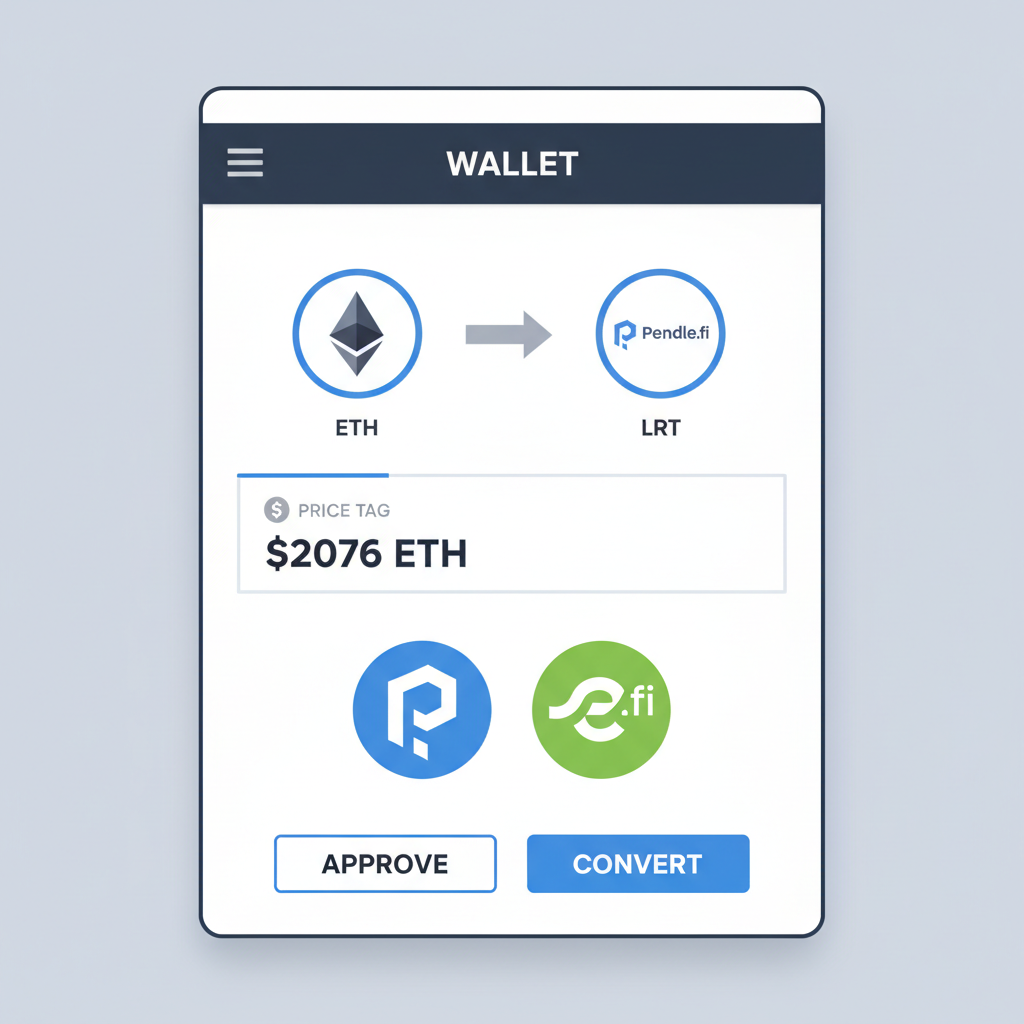
Diversification remains cornerstone. Spreading restaked assets across multiple AVSs balances slashing vulnerabilities while pursuing compounded returns. Liquid Restaking Tokens from ether. fi or Pendle enhance this, layering DeFi yields atop EigenLayer points. Yet prudence dictates scrutiny: operator selection must favor low fees and proven track records, as Dune dashboards reveal disparities in performance.
Implementing Low-Risk AVS Rotation in LRT Vaults
AVS rotation strategies thrive on data-driven decisions. Monitor dashboards like The Ultimate Restaking Dashboard v1.6.0 on Dune for real-time insights across blockchains. These tools expose strategies and magnitudes, guiding vaults to pivot toward high-performing services. For instance, as EigenLayer’s rewards v2 introduces slashing mechanics, vaults can enforce thresholds – derisking from underperformers preemptively.
Practical execution involves three pillars. First, leverage LRTs for liquidity; deposit LSTs or native ETH into vaults that auto-compound. Second, curate exposure via high-uptime operators, mitigating the systemic risks outlined in restaking maturation analyses. Third, track incentive programs – EIGEN allocations and airdrop potentials – ensuring vaults capture ephemeral opportunities without overexposure.
Ethereum (ETH) Price Prediction 2027-2032
Forecasts amid EigenLayer restaking growth, auto-rotating LRT vaults, and EigenCloud AVS adoption
| Year | Minimum Price (USD) | Average Price (USD) | Maximum Price (USD) | YoY Growth (Avg Price from Prior Year) |
|---|---|---|---|---|
| 2027 | $2,100 | $4,200 | $7,500 | +50% |
| 2028 | $3,200 | $6,500 | $11,000 | +55% |
| 2029 | $4,500 | $9,000 | $15,500 | +38% |
| 2030 | $6,000 | $12,500 | $21,000 | +39% |
| 2031 | $8,000 | $17,000 | $28,000 | +36% |
| 2032 | $10,500 | $23,000 | $38,000 | +35% |
Price Prediction Summary
Ethereum (ETH) is projected to see robust growth from 2027-2032, fueled by EigenLayer’s restaking maturation, AVS expansion on EigenCloud, and LRT vault optimizations. Average prices could exceed $23,000 by 2032 in baseline scenarios, with maximums reflecting peak adoption and yields, while minimums account for market cycles and risks like slashing.
Key Factors Affecting Ethereum Price
- EigenLayer restaking expansion and productive stake incentives
- Auto-rotating LRT vaults for maximized points and yields across AVSs
- Ethereum scalability upgrades and DeFi integration
- Institutional adoption and regulatory clarity
- AVS diversification (e.g., EigenDA) and operator performance
- Macro trends, BTC correlation, and competition from L2s
Disclaimer: Cryptocurrency price predictions are speculative and based on current market analysis.
Actual prices may vary significantly due to market volatility, regulatory changes, and other factors.
Always do your own research before making investment decisions.
Balancing Yields and Risks in 2026’s Restaking Ecosystem
With ETH at $2,076.45, restaking yields must contend with volatility and protocol complexities. Auto-rotating LRT vaults excel by embedding risk controls: impermanent loss hedges through frequent rebalancing, slashing simulations, and smart contract audit verifications. Cryptonium analyses underscore these – multi-AVS engagement heightens slashing odds, yet diversified vaults dilute impact.
Operator uptime, per avsleaderboard. com, emerges as 2026’s linchpin. Vaults automating shifts to top performers sidestep downtime penalties, preserving capital. Medium guides on EigenLayer restaking affirm LRT utility, blending staking with points accrual. Ether. fi’s role in ongoing farming, as Reddit threads note, underscores persistent opportunities despite deposit pauses elsewhere.
Restakers who integrate these elements into auto-rotating vaults position themselves ahead of the curve, especially as EigenLayer’s tokenomics evolve to capture restaking revenue through buybacks – 20% of subsidized AVS rewards and full EigenCloud proceeds funneled to EIGEN holders. This shift, detailed in foundational proposals, rewards sustained commitment over short-term speculation.
Deploying Auto-Rotating LRT Vaults: A Step-by-Step Blueprint
In practice, launching LRT vaults EigenLayer with auto-rotate capabilities requires measured steps. Begin by assessing your risk tolerance; allocate no more than 20-30% of your portfolio initially to test rebalancing efficacy. Platforms like those mirroring Flow Vaults facilitate this, supporting LST deposits for immediate liquidity. Vault algorithms then scan for EigenCloud AVS points leaders, prioritizing services with robust magnitudes and low slashing histories.
Once deployed, vaults execute AVS rotation strategies autonomously. They might shift 40% to EigenDA for data availability yields, 30% to emerging services like potential DataHaven for 2026-specific incentives, and the rest to ARPA or similar for balanced exposure. This EigenLayer restaking optimization compounds points while hedging against any single AVS downturn. My experience in risk management underscores the value here: frequent, data-informed rotations have historically cut impermanent loss by up to 15% in volatile DeFi environments.
Auto-Rotate LRT Vaults: Maximize EigenCloud AVS Points & Yields
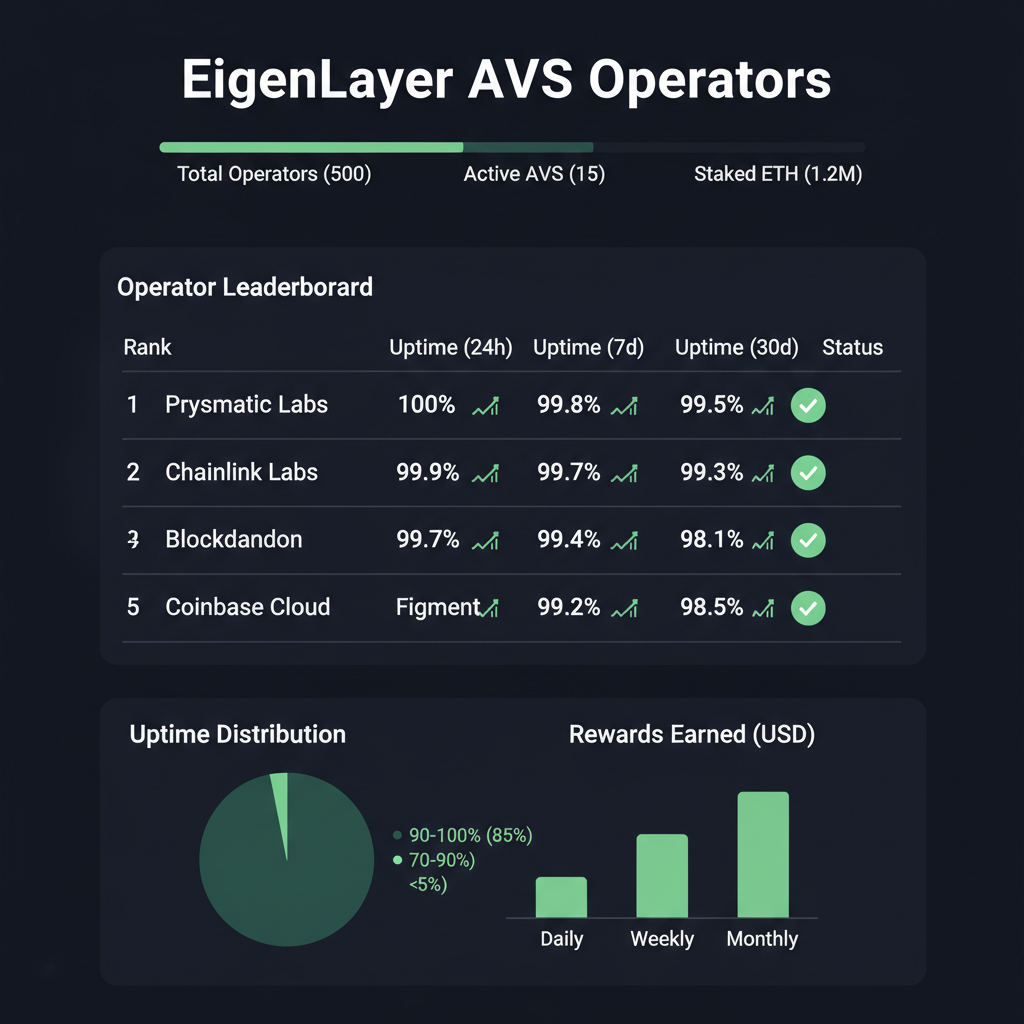
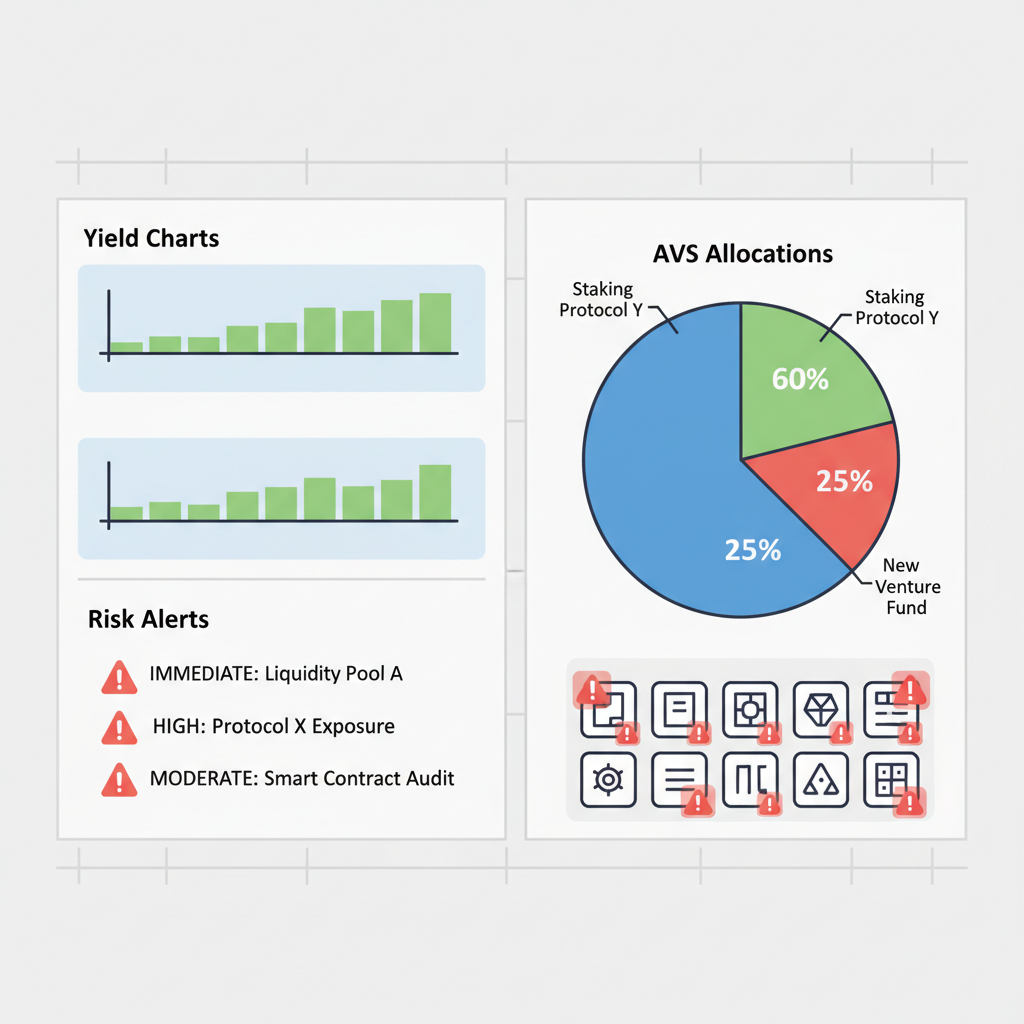

Node operators benefit equally. Leaderboards emphasize uptime as 2026’s differentiator, with vaults favoring operators above 99.5% thresholds. This algorithmic curation frees operators from manual pivots, allowing focus on infrastructure while vaults handle liquid restaking EigenCloud dynamics.
Advanced Risk Mitigation in Multi-AVS Environments
Slashing looms as the restaking ecosystem’s stern enforcer, particularly post-rewards v2 rollout. EigenLayer’s upgrades introduce nuanced penalties tied to AVS-specific faults, amplifying the need for prudence. Auto-rotating vaults counter this through preemptive derisking: if an AVS’s slashing probability exceeds 2%, positions unwind automatically. Diversification dilutes impact further; a 10% slash in one service barely registers across a 10-AVS portfolio.
Smart contract layers add another vigilance layer. With ETH steady at $2,076.45, even minor exploits could erode gains. Prioritize vaults audited multiple times, with transparent interdependencies. Cryptonium’s maturation analyses warn of systemic risks in yield structures, yet vaults’ modularity – isolating failures – proves resilient. In my FRM-backed assessments, blending on-chain oracles for real-time health checks elevates this to institutional-grade security.
Impermanent loss from LRT price drifts demands equal attention. Vaults mitigate via yield-bearing rebalances, often integrating Pendle-like fixed-rate locks. This preserves capital amid ETH’s -2.30% 24-hour adjustment, turning volatility into an ally rather than adversary.
Monitoring remains non-negotiable. Dune’s Ultimate Restaking Dashboard v1.6.0 offers SQL-queryable insights into strategies across 100 and chains, feeding vault dashboards. Reddit discussions affirm ether. fi’s edge in points farming during deposit closures, a cue for vaults to overweight proven LRTs.
As 2026 unfolds, DataHaven AVS yields 2026 and kin promise elevated returns, but only for those wielding tools like auto-rotating vaults adeptly. This methodical approach – diversification, automation, relentless oversight – transforms restaking from gamble to guarded prosperity. Restakers embracing it today secure not just points and yields, but enduring edge in EigenLayer’s thriving domain.